Home › Home Remedies › Garlic for Toenail Fungus
Garlic for Toenail Fungus (2026): What the Evidence Shows
By Best Toenail Fungus Treatments · Reviewed 15 Nov 2026 · 9 min read

Home › Home Remedies › Garlic for Toenail Fungus
By Best Toenail Fungus Treatments · Reviewed 15 Nov 2026 · 9 min read
Limited Evidence Garlic contains ajoene and allicin, compounds shown to inhibit fungal growth in lab studies. One double-blind trial (Ledezma E et al., J Am Acad Dermatol 2000) compared ajoene, a garlic compound, with terbinafine cream for athlete's foot, a skin infection, not nail fungus. No large randomized controlled trial has confirmed garlic works against toenail fungus (onychomycosis) in humans. No garlic product is FDA-approved to treat nail fungus. For confirmed onychomycosis, prescription oral terbinafine has the strongest evidence (~38% complete cure in the FDA label trials; Lamisil prescribing information).
Evidence Strength
StrongModerateLimited ✓Anecdotal
How People Use It (Anecdotal)
| Prep | Apply | Repeat | Stop if |
|---|---|---|---|
| Crush 1–2 fresh cloves; mix with olive oil | Cover the nail 20–30 min, then rinse | Once daily, if tolerated | Redness, stinging or blistering |
Key Facts
Trials
No RCT in toenail fungus
Cost
~$1–$5 (fresh garlic)
Safety
Raw garlic can burn skin
Stronger option
Oral terbinafine (Rx), Strong evidence
Limited Evidence
Garlic (Allium sativum) produces ajoene, allicin, and related organosulfur compounds when crushed or cut. These compounds disrupt fungal cell membranes and have demonstrated antifungal activity against Trichophyton species (the dermatophytes that cause most toenail fungus) in laboratory settings (Davis SR, Mycoses 2005; Ankri & Mirelman, Microbes Infect 1999).
The clinical evidence in humans is very limited. A double-blind trial (Ledezma E et al., J Am Acad Dermatol 2000) compared ajoene with terbinafine for tinea pedis (athlete's foot, a skin dermatophytosis). However, athlete’s foot is a skin condition; toenail fungus involves the nail plate and nail bed, which is a substantially harder target for topical agents to penetrate. No randomized trial has been published for garlic against onychomycosis specifically.
There is no clinically validated method for using garlic on toenail fungus. Common anecdotal approaches include:
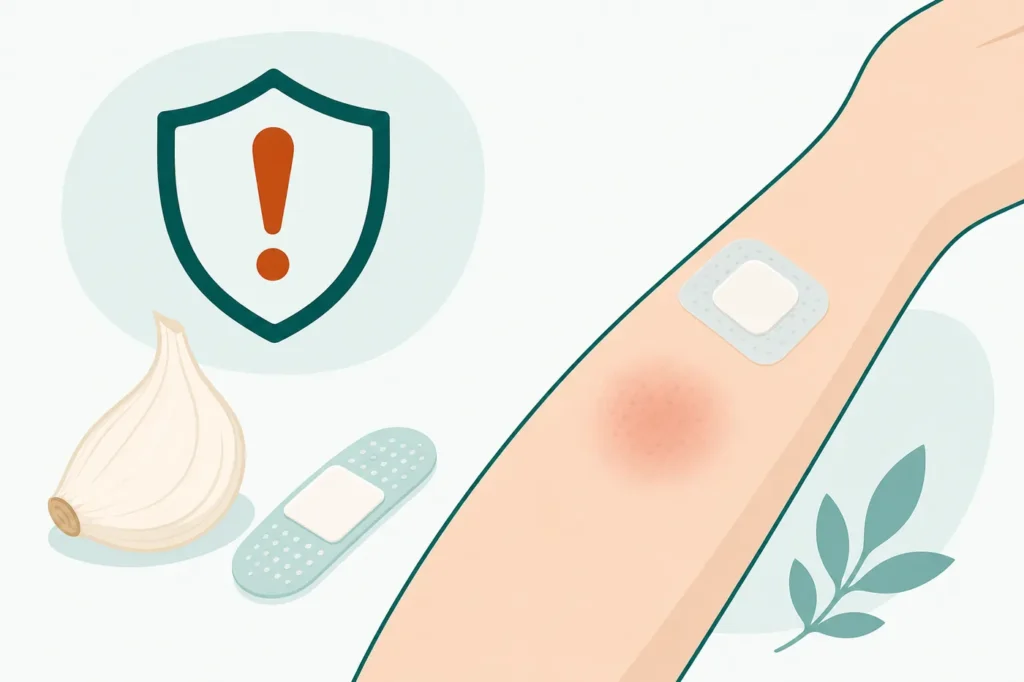
Important: Raw garlic applied directly to skin can cause contact dermatitis, blistering, and chemical burns, particularly with prolonged contact. Always do a patch test on a small area first. If you have diabetes or peripheral neuropathy, consult a clinician before any foot treatment.
| Treatment | Evidence | FDA-approved? | Cost |
|---|---|---|---|
| Garlic (topical) | Limited Evidence | No | ~$1–$5 (fresh) |
| Tea tree oil | Limited Evidence | No | ~$5–$15 |
| Apple cider vinegar | Anecdotal Evidence | No | ~$3–$10 |
| OTC undecylenic acid | Limited Evidence | No (not for nail) | ~$12–$24 |
| Oral terbinafine (Rx) | Strong Evidence | Yes | ~$10–$40/month |
OTC options with more clinical support:
Fungi-Nail (undecylenic acid) — Limited evidence; affiliate link.
Kerasal — Cosmetic nail softener; affiliate link.
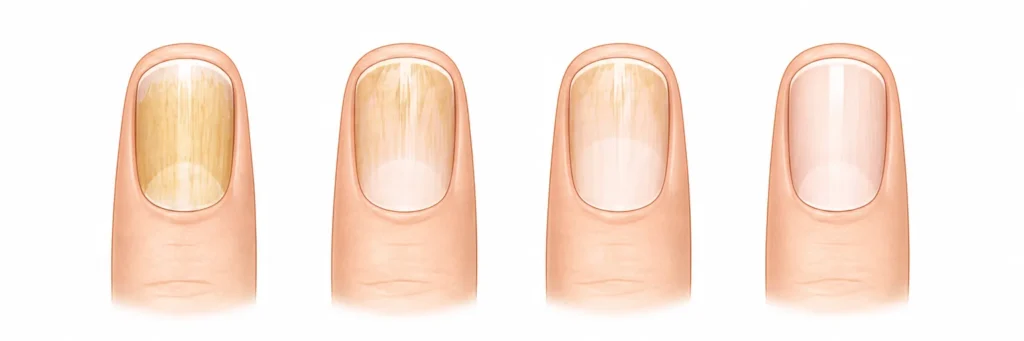
See a clinician if: the nail is worsening, the infection spreads to other nails, you have diabetes or circulatory disease, or you are unsure whether it is fungus. Garlic and other home remedies cannot substitute for a confirmed diagnosis. Only laboratory testing (KOH scraping or culture) can confirm onychomycosis. Prescription oral terbinafine remains significantly more effective than any home remedy.
Garlic compounds (ajoene, allicin) have demonstrated antifungal activity against dermatophytes in laboratory studies. However, there are no published clinical trials confirming that garlic applied to the nail clears onychomycosis in humans. Lab activity does not automatically translate to clinical efficacy.
Raw garlic can cause chemical burns and contact dermatitis, especially with prolonged contact. If you try it, dilute with olive oil, limit contact time to 20–30 minutes, and rinse thoroughly. Do a patch test first. Never apply to broken skin or if you have diabetes or poor circulation.
There is no clinical trial establishing a timeline for garlic against toenail fungus. Toenail fungus grows slowly; nails take 12–18 months to fully grow out even with effective treatment. Even prescription terbinafine requires 6–12 weeks of treatment before improvement is visible.
There is no clinical evidence that eating garlic or taking garlic supplements clears toenail fungus. Oral garlic supplements may also interact with blood-thinning medications. If you are on any prescription medications, check with your clinician or pharmacist first.
Medical disclaimer: This page is informational only and not medical advice. Consult a licensed clinician if you have a confirmed nail infection or any health conditions.
Sources: Ledezma E, Marcano K, Jorquera A, et al. J Am Acad Dermatol 2000;43(5 Pt 1):829–32 (ajoene vs terbinafine in tinea pedis); Ankri S, Mirelman D. Microbes Infect 1999;1(2):125–129 (allicin antimicrobial); Davis SR. Mycoses 2005;48(2):95–100 (allicin antifungal review); Rafaat M, Leung AK. Pediatr Dermatol 2000;17(6):475–476 (garlic burn case); FDA Lamisil (terbinafine tablets) prescribing information, NDA 020539 (~38% complete cure at week 48); AAFP 2015 (prevalence 3–12%).
Use our finder for a personalised recommendation.