Home › How We Grade Toenail Fungus Treatments
How We Grade Toenail Fungus Treatments
By Best Toenail Fungus Treatments · Reviewed 15 Nov 2026 · 5 min read

Home › How We Grade Toenail Fungus Treatments
By Best Toenail Fungus Treatments · Reviewed 15 Nov 2026 · 5 min read
This page explains how Best Toenail Fungus Treatments evaluates, grades and selects the treatments we cover. Toenail fungus (onychomycosis) is a medical condition in a YMYL (Your Money or Your Life) content category. We take our responsibility to readers seriously: our grades are based on published clinical evidence, not on what we sell or what brands pay us.
Every treatment on this site — prescription, OTC, supplement or home remedy — is assessed against the same framework described below.
We use four grades to describe the quality and relevance of evidence for each treatment. The grade reflects the strength of published human clinical trial data specifically for onychomycosis (nail fungus), not for related conditions like skin fungus or for lab research alone.
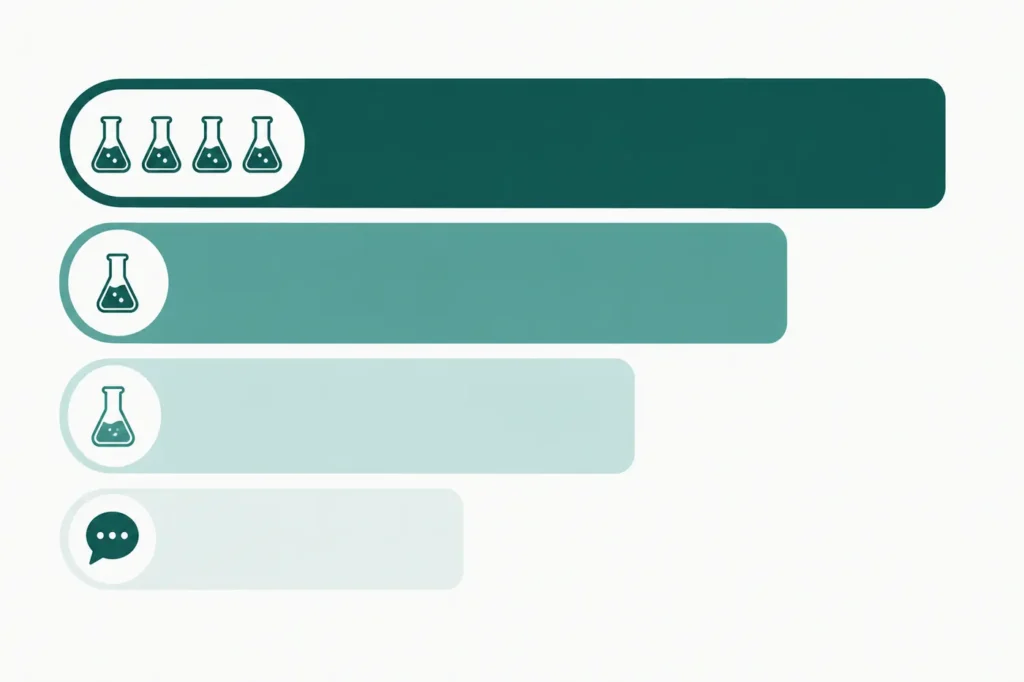
Strong Evidence
Definition: Systematic reviews, meta-analyses, or multiple large, well-designed randomised controlled trials (RCTs) of the specific treatment for onychomycosis.
Example: Oral terbinafine: FDA Lamisil label trials (placebo-controlled RCTs) showing ~38% complete cure at week 48.
Moderate Evidence
Definition: At least one good-quality RCT for the treatment specifically for onychomycosis, though with some limitations (smaller size, single study, or registration-trial design).
Example: Jublia (efinaconazole 10%): Elewski et al., JAAD 2013 — two large Phase III trials, ~15–18% complete cure.
Limited Evidence
Definition: Some controlled studies exist, but are limited by small sample size, surrogate endpoints (e.g., improved nail appearance rather than mycological cure), or are studies in skin fungus (not nail) only.
Example: Tea tree oil, undecylenic acid OTC topicals — small trials show cosmetic improvement; no large RCT for nail fungus cure.
Anecdotal Evidence
Definition: No published, controlled human trials for nail fungus. Evidence consists of traditional use, case reports, in vitro (lab) research, or no published human trial for onychomycosis at all.
Example: Kerassentials, Metanail Complex, Keravita Pro, most oral supplement blends, Vicks VapoRub, vinegar soaks.
Not all published research is equal. Here is how we weigh different types:
When we make a recommendation, we apply criteria in this order:
Best Toenail Fungus Treatments is an independent editorial site. We generate revenue through:
Editorial independence: Commercial relationships do not influence evidence grades or picks. A product that pays us an affiliate commission gets the same evidence grade as one that does not. If a supplement brand has no product-level clinical trial for nail fungus, it receives an Anecdotal grade — regardless of commercial relationship.
This disclosure is consistent with FTC guidelines on affiliate and advertising relationships. FTC Endorsement Guides →
Toenail fungus research evolves. New treatment approvals, updated clinical guidelines and new safety data can change our grades and recommendations over time.
If you notice information on this site that is out of date, please contact us. How we check and publish corrections is set out in our Editorial Policy and Corrections.
Best Toenail Fungus Treatments is an independent editorial brand. Our content is built on published peer-reviewed literature, FDA-approved product information, and clinical guidelines from organisations including the American Academy of Dermatology (AAD) and the American Academy of Family Physicians (AAFP).
We do not employ or claim to be a medical provider. No content on this site constitutes medical advice, diagnosis or treatment. If you have a nail infection, particularly if you are diabetic, in pain, or have spreading symptoms, see a qualified healthcare provider.
We do not invent authors, credentials or experts. Content is published under the brand name Best Toenail Fungus Treatments.
This methodology is one part of how we keep the site honest. The other parts:
Medical disclaimer: This content is for informational purposes only and is not a substitute for professional medical advice, diagnosis or treatment. Always consult a qualified healthcare provider before starting any treatment.
See our evidence-graded treatment guide.